







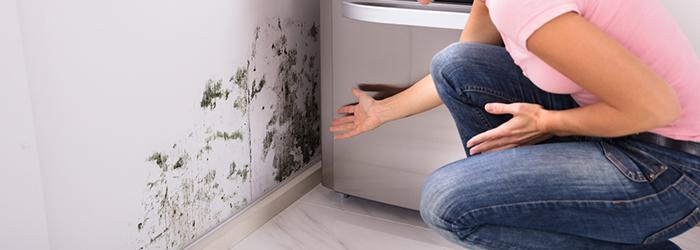
One of the nice things about renting – and not owning – property is that, as a tenant, you’re typically not on the hook for repairs or replacements if something like the HVAC system, dishwasher or hot water tank were to go out. But there’s obviously a whole lot more that can go wrong with a rental property, and one issue that apartment tenants may face is mould growth. This post will take a closer look at why mould can be do dangerous and what a renter can and should do if they detect mould in their apartment unit:
What’s the Big Problem With Mould?
Mould is dangerous for several reasons. For starters, it’s often the byproduct of moisture intrusion or water damage, so chances are there’s another problem in addition to the mould remediation that needs to be resolved. Secondly, aside from the structural damage it can inflict on a building, it can also make occupants very sick. Symptoms occupants may experience from mould exposure range from allergic reactions to respiratory issues.
How do you know if your apartment has a mold problem? Here’s a look:
- Mold is often accompanied by musty or musky smells.
- Do you notice any odd marks or stains on walls or ceilings?
- Has there been recent water damage on the property that wasn’t properly addressed?
- Are you or other occupants experiencing symptoms with no obvious cause?
What to do if Mold is in Your Apartment
Generally, if mould is found in your apartment, it falls on the responsibility of your landlord to remediate it. Here’s a look at the process to go about addressing the situation:
- Contact your landlord and express your concerns. Request that the area of concern be tested for mould and that this testing be performed by a mould inspector.
- Hopefully, the landlord obliges after you complete Step 1. If they don’t, we’d suggest taking it upon yourself to hire a mould inspector. You can even give your landlord a courtesy heads up to let them know your plans of doing this.
- If the results of the mould test come back positive, present the landlord with the findings and request reimbursement for the cost of the inspection.
- If the landlord still won’t resolve the issue, we’d advise contacting an attorney on the matter to represent you.